Arrow Side vs Other Side
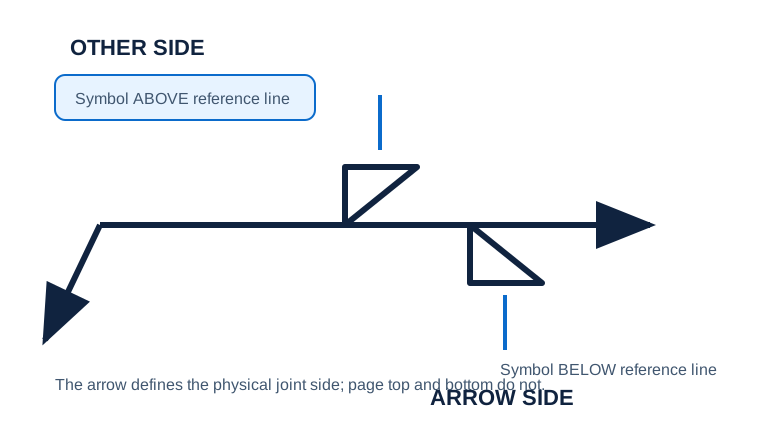
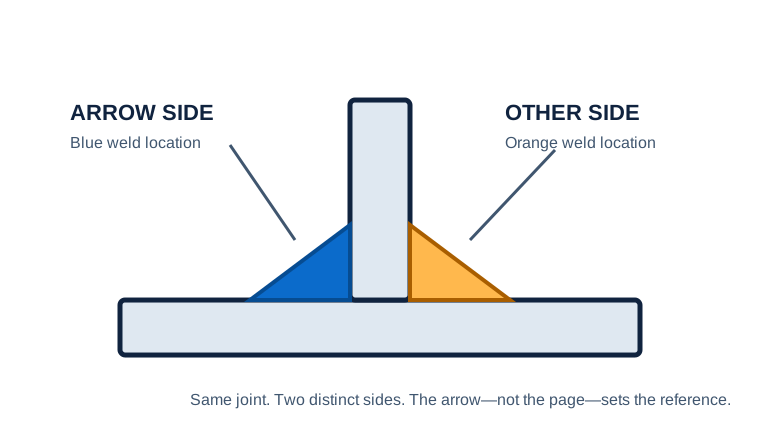
Arrow side means the side of the joint identified by the arrow. Other side means the opposite side of that same joint—not the far side of the sheet or the upper side of the page.
- Identify the physical arrow side even when the view is rotated
- Translate above/below reference-line placement into the correct surface
- Recognize a true both-sides instruction
Using page orientation
A perfectly sized weld on the wrong side is still wrong. Side significance connects a flat drawing convention to a physical surface on the assembly.
The section view is rotated ninety degrees
A fillet symbol appears below the reference line, but the apparent ‘bottom’ of the part changes between views.
Ignore page direction. Follow the arrow to the joint and identify the surface on the arrow side; below-line placement applies there in the AWS-style convention used here.
The weld stays assigned to the same physical side even when the drawing view rotates.
Keep the physical side fixed while the view turns.
The same clip angle is shown in elevation and in a section rotated ninety degrees. Page-up and page-down change; the arrow-side surface does not.
Name the joint surfaces before looking at symbol placement.
Carry the arrow-side identity into the rotated section instead of rotating the rule.
Use above or below the reference line only after the physical joint is settled.
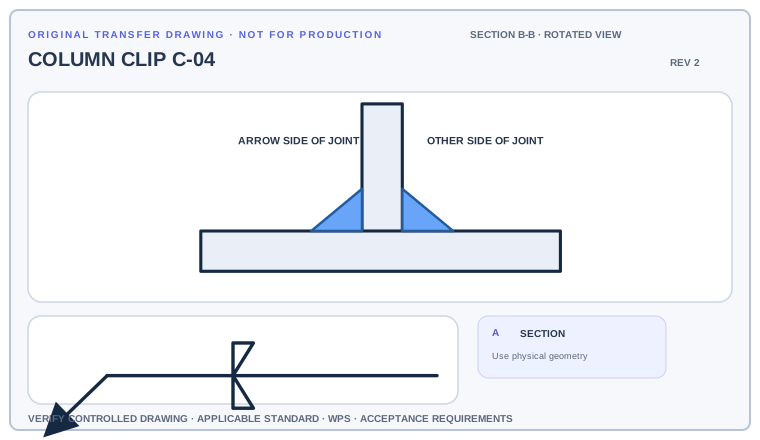
Mark the arrow-side surface in both views, then identify where an above-line symbol would place the weld without using the words top, bottom, near, or far.
Deliverable · Two view annotations that point to the same physical side of the jointCompare with the field read +
The arrow-side surface remains the surface identified by the arrow in both views. A symbol below the reference line applies there; a symbol above applies to the opposite surface of that joint.
Translate line placement into a physical surface
Begin with the cue in the first column. The final column records the drawing, detail, procedure, or acceptance question that this callout cannot answer by itself.
| Visual cue | What it establishes | What still needs verification |
|---|---|---|
| Symbol below the line | Arrow-side instruction in the convention used by these lessons | Below does not mean underside of the page or part. |
| Symbol above the line | Other-side instruction | Identify the opposite surface of the same joint—not the far side of the sheet. |
| Matching symbols above and below | Welds on both sides of the joint | Dimensions may differ by side; read each placement. |
Arrow side and other side survive a rotated view
Arrow side
The side of the joint identified by the arrow
Evidence to useWould it remain the arrow side if the paper were rotated? It should.Other side
The opposite side of that same joint
Evidence to useDo not substitute ‘top’, ‘back’, or ‘far side’ without using the joint view.Name the two sides without borrowing page direction
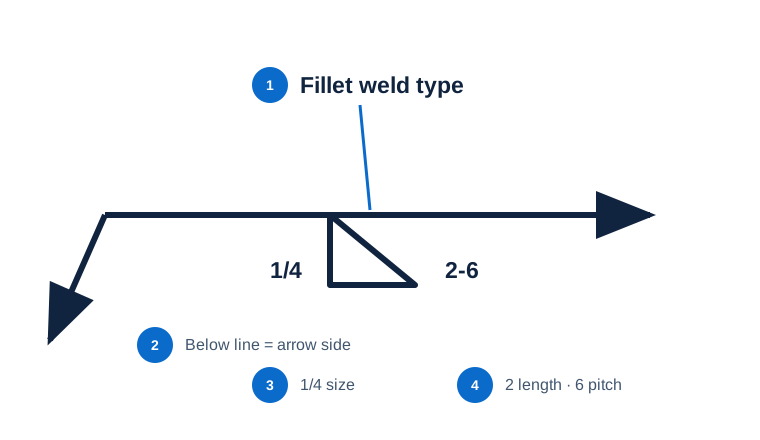
In common AWS-style placement, a weld symbol below the reference line applies to the arrow side; above the line applies to the other side; matching symbols on both sides call for welds on both sides.
- Locate the arrow tip on the joint.
- Identify the physical surface on the arrow side.
- Check whether the weld symbol is below, above, or on both sides of the reference line.
- Verify the joint view before assigning the weld to a surface.
Shortcuts that move the weld when the paper turns
Using page orientation
Arrow side is a property of the joint. Turning the drawing does not change which side the arrow identifies.
Skipping the joint view
The same line placement can look different when the section or elevation view changes. Confirm the physical joint.
Inventing a second weld
A symbol on only one side of the reference line does not automatically specify a weld on the opposite side.
Prove the side assignment in both views
Use the full list before fabrication, fit-up, or inspection. This is a drawing-reading handoff—not a substitute for the governing acceptance standard.
- 01Locate the arrow tip
- 02Identify both physical surfaces of the joint
- 03Check symbol placement above/below
- 04Read dimensions on the correct side
- 05Confirm the drawing convention
Evidence and limits for this Arrow Side vs Other Side lesson
This guide teaches common AWS-style drawing interpretation. It is educational material, not a substitute for the purchased standard, project specification, code, WPS, or qualified engineering direction.
How this page was made. The training diagrams, worked example, comparisons, and questions are original educational material. Read the editorial and technical review policy for the full process.
Save your place after Arrow Side vs Other Side.
This marker records reading progress only; it does not mean the topic is mastered. Use the six-question practice page to check your understanding.
Build outward from Arrow Side vs Other Side
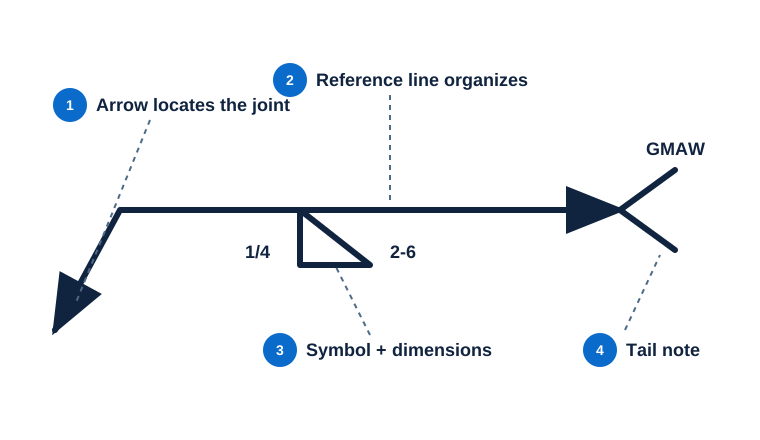 Symbol Anatomy
 Fillet Weld
 Field Weld
Educational practice only. Verify production work against the governing drawing, applicable standard, WPS, and qualified instruction.